

Introduction
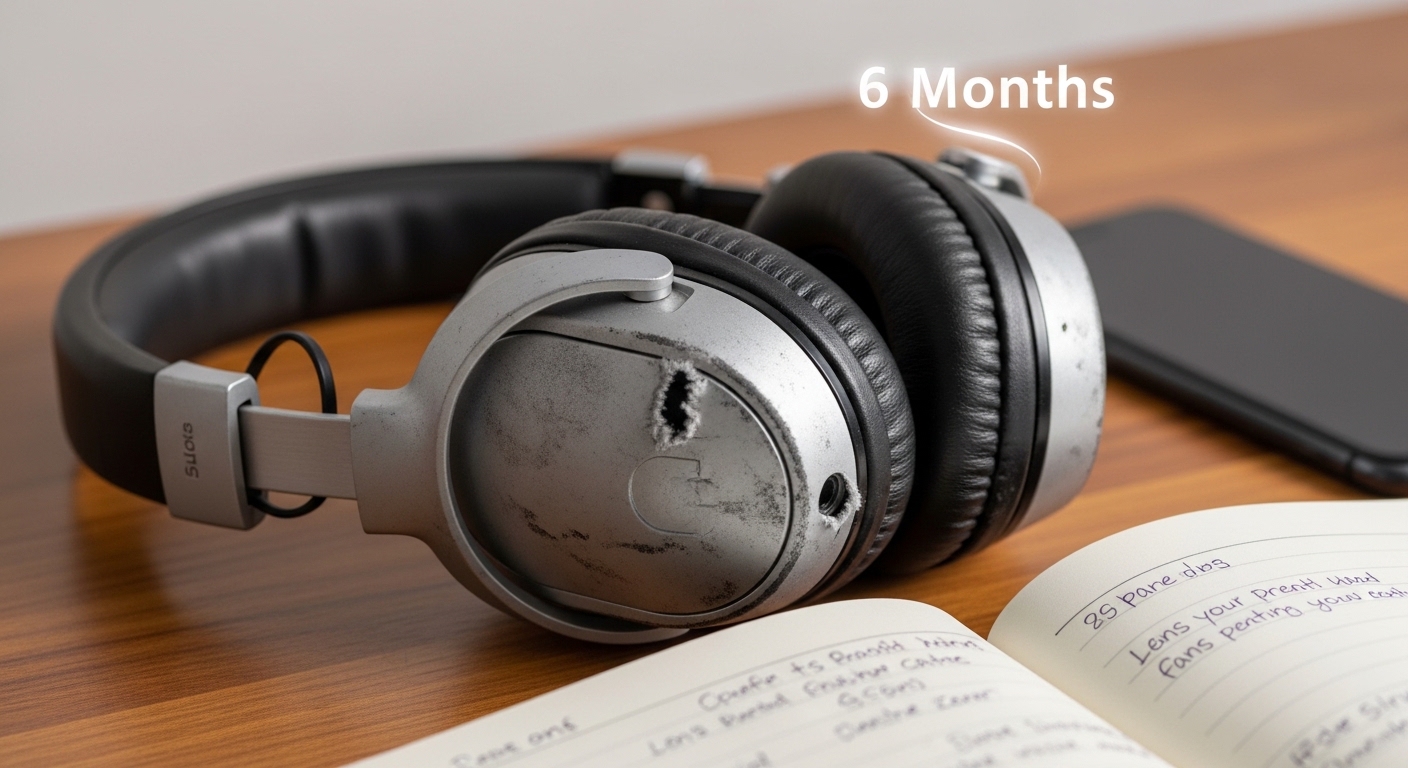
You bought a pair of budget noise-canceling headphones because you wanted quiet on your commute, better focus at work, or a way to unwind at home without disturbing others. After six months of daily use, you’re likely to notice that things haven’t stayed the same — some of those changes are expected, some are surprising, and a few are avoidable if you know what to watch for. This article walks you through what typically changes after half a year of regular use, why those changes happen, how to spot them, and what practical steps you can take to keep your headphones performing well. You’ll learn to tell the difference between normal wear and a real defect, figure out whether firmware updates helped or hurt performance, and decide if a repair, reset, or replacement is the right move.
Core Explanation / Problem
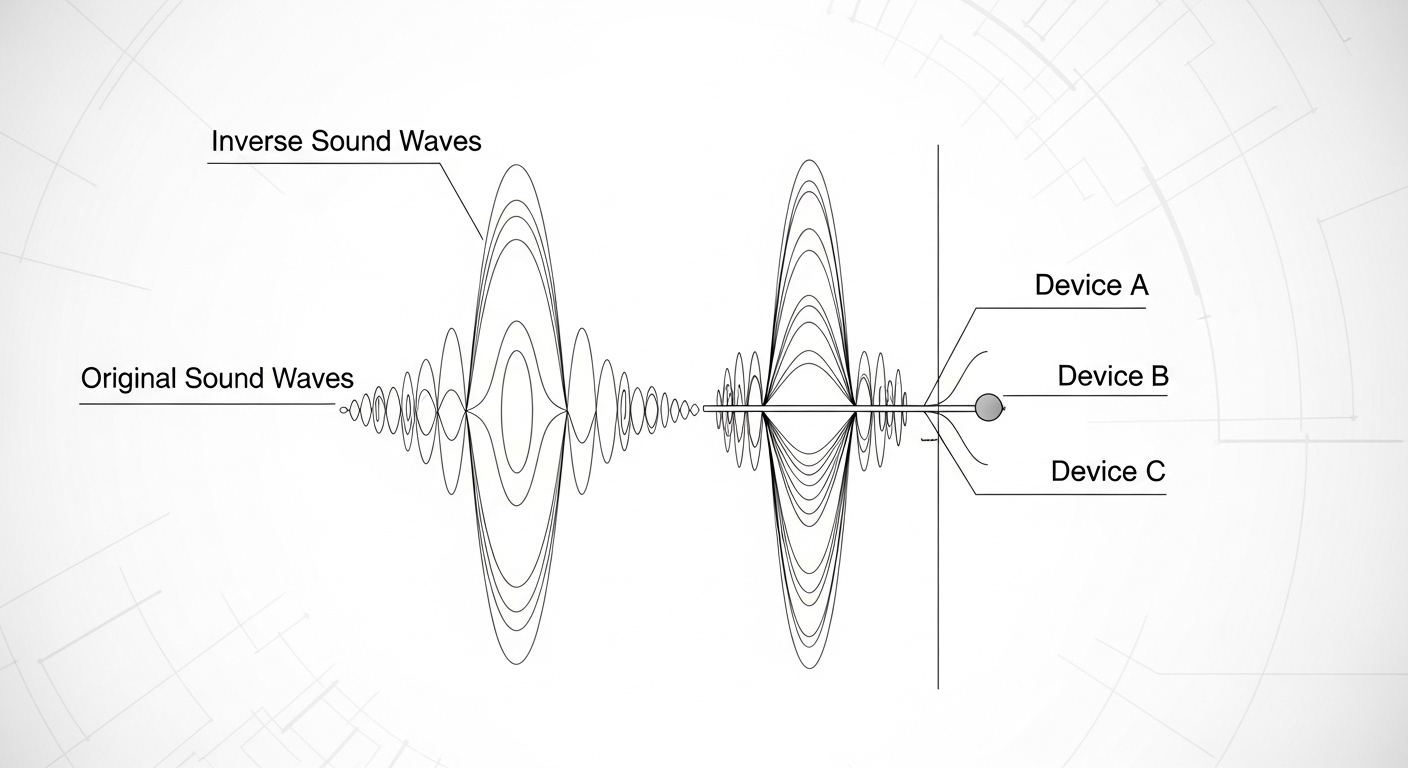
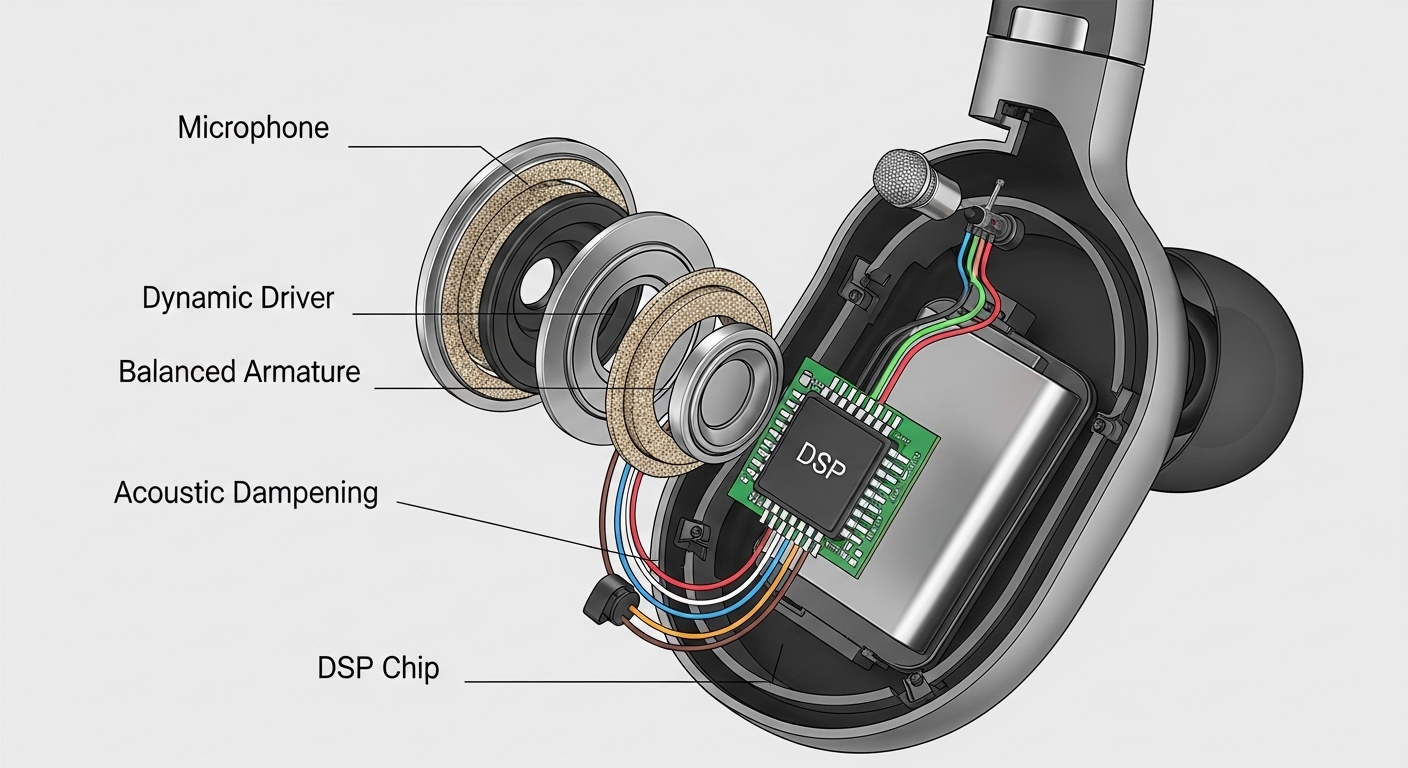
When you use budget ANC (Active Noise Cancellation) headphones every day, multiple systems inside the cans interact with physical wear and environmental exposure. Over time, battery capacity drops, foam and seals compress, microphones can pick up more noise or shift position, and DSP (digital signal processing) strategies may age differently than the hardware. These changes don’t happen overnight; they usually follow predictable curves where performance decays or stabilizes. Understanding this lets you set realistic expectations: ANC won’t remain factory-fresh forever, but many issues are manageable or reversible. The real problem is that small, gradual changes can compound, so you might not notice until a noticeable effect appears — like shorter battery life or muddier bass — and then wonder when it began.
Budget designs make trade-offs. Manufacturers often balance cost against battery chemistry, microphone quality, ear-cup materials, and software tuning. Where premium models use higher-quality MEMS microphones, thicker memory foam, and robust power-management chips, budget models may use cheaper EC (electret condenser) mics, slimmer cushions, and less sophisticated battery controllers. Those choices make the initial price approachable but mean you may see larger or faster changes with daily use. Expect a mixture of hardware wear, battery degradation, and software drift — the combined effect is what you feel.
Micro Component / Key Details
After six months, small components and materials drive the largest perceptible changes. The physical fit, mic placement, ear-cup seal, driver suspension, and battery chemistry are all small parts that create a big impact on what you hear and how long the device lasts away from a charger. If you understand where the weak points typically lie in budget headphones, you’ll be better equipped to judge whether a change is temporary, fixable, or baked into the design.
Microphones: How placement affects performance
The microphones dedicated to ANC and ambient detection are sensitive to placement and cleanliness. On budget units, they often sit closer to seams or inside thinner plastic housings. That makes them more vulnerable to moisture, oil from your skin, and dust buildup. Over time you might notice reduced ANC at certain frequencies — often the lower midrange where road rumble sits — because the mic’s response has shifted slightly. Even a small change in microphone sealing can alter how the algorithm measures the external sound field, which changes cancellation effectiveness. You can clean external grille areas gently and avoid getting the mics wet, but internal mic drift or dislodged mic tubes will usually require servicing or replacement.
DSP, latency, and filters
The DSP is the brain that interprets microphone input and decides how to drive the drivers with an anti-phase signal. Firmware tweaks can rearrange the DSP’s priorities: some updates narrow the ANC band to protect voice clarity, others prioritize battery life by reducing processing cycles. With budget gear, the DSP hardware itself is often modest, so updates can make more noticeable differences — positive or negative. You may find firmware updates that improve wind handling or reduce hissing, but you may also experience more latency or reduced ANC depth if the update shifts resources to Bluetooth codec handling. In short, firmware is a tool, and on budget platforms it can cause abrupt perceptible changes.
Drivers and acoustic design
Drivers and their suspensions control frequency response, dynamic range, and the way ANC corrections interact with music. Budget headphones often use simpler driver frames and thinner diaphragms. Over months you may notice the drivers break in a little: highs may mellow, bass may tighten or loosen depending on material fatigue, and driver alignment may change slightly with repeated impacts or heat. Fatigue in the driver surround (the flexible rings connecting diaphragm to frame) can make bass less controlled, and small gaps in the ear-cup can undermine the passive isolation that ANC relies on. Drivers don’t usually fail catastrophically after six months, but cumulative effects influence perceived sound quality.
Battery and power
Battery capacity fade is one of the most objective and predictable changes you’ll see. Every lithium cell slowly loses capacity with charge cycles and calendar aging. With daily use and nightly charging, a budget headphone pack may show a noticeable drop in run time by the six-month mark — sometimes as much as 10–20% depending on charge habits and the quality of the battery management. Temperature exposure (leaving headphones in hot cars or direct sun) accelerates aging. Budget models may use less sophisticated charge controllers that allow a deeper float or don’t optimize charging curves, speeding up degradation. You might also see inconsistent battery reporting in the companion app, which is usually a firmware or measurement calibration issue.
Materials and fit
Padding compression is subtle but impactful. Ear pads made of polyurethane foams or thin memory foam will compress with daily use, leading to a looser seal. A compromised seal reduces ANC performance and bass response, and it can change comfort. Headbands can also lose tension or the outer materials can degrade from oils and sweat. Budget plastics can develop tiny cracks or surface scuffs from daily handling. If you want to extend lifespan, treat the materials gently: store the headphones in a case when not in use, wipe them occasionally, and avoid extreme temperatures.
Real-World Experience / Practical Insight
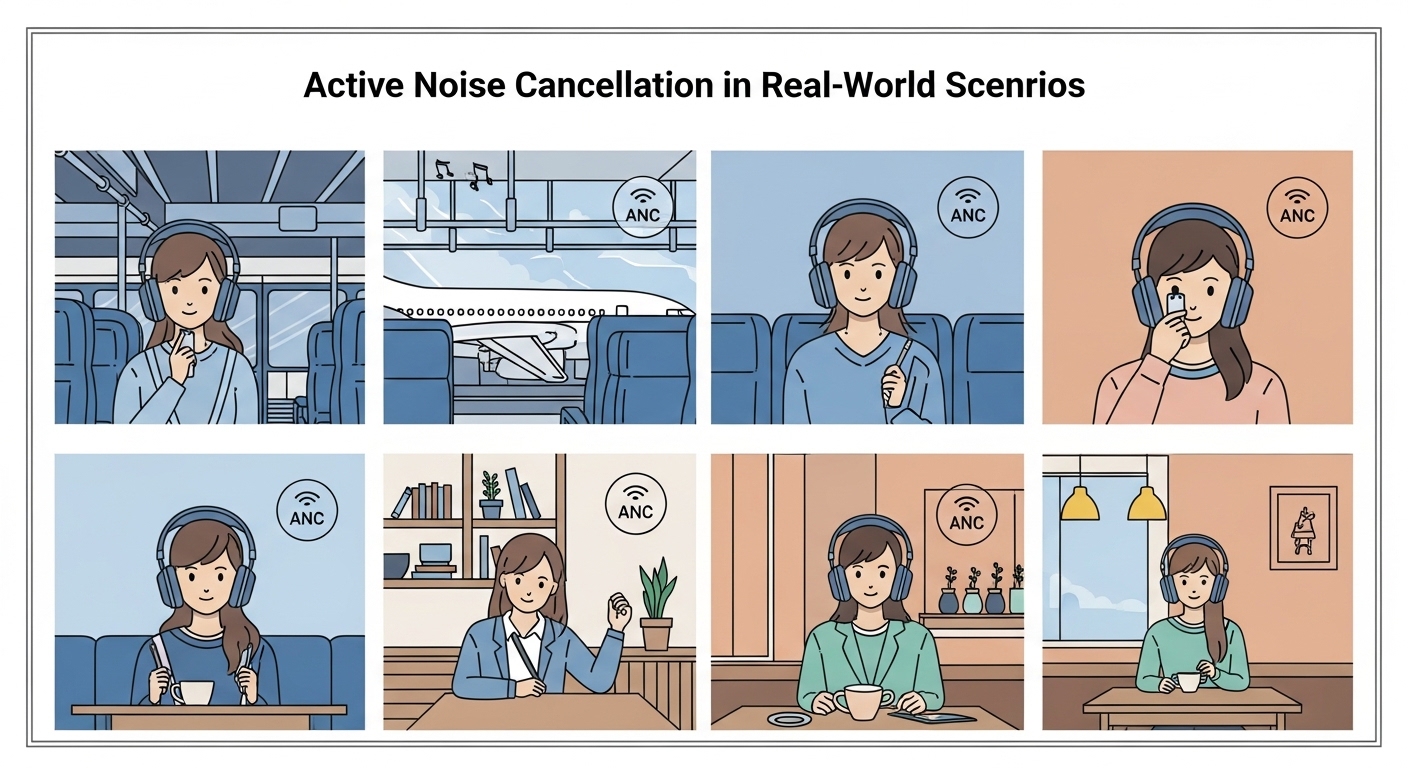
Your day-to-day life shapes how these changes feel. If you commute on subways, you’ll notice the headphones interacting with consistent low-frequency noise differently than someone who mainly uses them in a coffee shop. Listening content matters too: podcasts expose issues with voice clarity and ANC transparency more than music does, while bass-heavy tracks reveal driver and seal weaknesses. After six months, you may find the headphones perform well in some environments and struggle in others — and that’s normal for budget gear.
When you first bought your headphones, the ANC probably seemed impressively deep in certain situations. Over time, you may notice an increase in audible artifacts: a light hissing, occasional pumping when the ANC tries to adapt to sudden noise bursts, or low-frequency sounds being less effectively canceled. These are often a combination of mic aging, seal loss, and firmware behavior. If your headphones have a companion app, firmware updates during those six months may have changed the tuning — sometimes to the better, sometimes not. You might also notice smaller day-to-day variances: one day the ANC is excellent and battery lasts longer; another day the cushioning feels looser and the bass lacks punch. Those variations are usually due to fit, residual earwax on pads, or even changes in how you charge the battery.
Practical fixes are often simple: swapping ear pads restores a seal and the bass; cleaning the microphone grilles can clear up hissing; a factory reset or firmware rollback (when possible) can remove a problematic update. Battery replacement is a longer-term fix and sometimes not worth the cost for budget models, but careful charging habits extend useful life. If you use your headphones all day for calls, note that microphone directionality and voice-clarity features may degrade faster; the physical mic ports will see more moisture and oil and can become less reliable.
Common Mistakes / Misunderstandings
There are a few misconceptions people often have about budget ANC headphones, and those misunderstandings lead to frustration when perceived performance drops.
- Expecting ANC to replace passive isolation entirely: ANC is excellent for steady low-frequency noise but can’t block sharp, high-frequency sounds the way a good passive seal can. You still rely on ear-cup fit and materials for full isolation.
- Assuming price guarantees longevity: budget doesn’t necessarily mean disposable, but cheaper components make some forms of aging more likely and faster.
- Ignoring battery health and charging patterns: leaving the headphones plugged in 24/7 or frequently exposing them to high heat accelerates battery wear and may cause erratic battery life reports.
- Overlooking fit changes: losing a seal due to compressed pads is one of the most common and fixable reasons for ANC and bass loss, but it’s often blamed on the electronics instead.
- Thinking firmware always improves things: updates can fix bugs but sometimes change sound or ANC behavior in ways you don’t like. Always read release notes and test right after updates.
These misunderstandings can lead you to prematurely decide your headphones are broken or to attempt fixes that don’t address the real problem.
Evaluation / Authority Block
You want to know how changes are measured and what objective data matters when judging ANC performance or the health of budget headphones. Professionals measure ANC by frequency attenuation graphs, usually showing how many decibels are reduced across low to mid frequencies. They also use latency measurements for wireless audio (important for watching video and gaming), battery cycle testing for longevity claims, and microphone sensitivity and directivity tests for call performance. On a practical level, you can evaluate changes yourself by running simple checks: use a consistent music track to test bass and highs before and after replacing pads, check runtime under the same ANC and playback volume conditions, and use recorded noise samples to subjectively measure ANC.
In addition to frequency attenuation curves, consider spectral stability (how consistent the response is), transient response (how well short sounds are handled), and artifact presence (hiss, pumping, distortion). For battery, track full-charge to full-discharge times under a standard usage profile; log results monthly to see the degradation curve. Fit and seal can be tested using a loud low-frequency tone — if the bass is significantly reduced with the cans off-center, you’ve likely lost the seal. These objective measures, combined with consistent subjective listening sessions, give you a clearer picture of what truly changed.
Who This Is (and Isn’t) For
You’re likely to benefit from budget ANC headphones if you want meaningful noise reduction for commuting, office noise, or general everyday listening without spending a premium. If you prioritize long-term resale value, maximum noise cancellation, or audiophile-grade sound, budget options might not meet your needs in the long run. Budget ANC is ideal for:
- Commuters who want better focus without the top-tier cost.
- Casual listeners who value convenience and portability.
- People who can accept occasional compromises in performance in exchange for affordability.
You should avoid relying on budget ANC headphones if you:
- Need perfect call clarity every time for professional use.
- Require the absolute best long-term durability and repairability.
- Are highly sensitive to small sonic artifacts and want pristine ANC across all environments.
Budget ANC tends to be a great value for the right users — those who know what to expect and how to maintain the devices.
How to Inspect and Maintain After 6 Months
Inspecting and maintaining your headphones regularly can significantly extend useful life and restore lost performance. At the six-month mark, do a systematic check: examine ear pads for compression and tears, check headband tension and seam integrity, gently clean all surface areas and microphone grilles, and test runtime under consistent conditions. If your headphones have a companion app, check for firmware updates and review any change logs. Reset the device once in a while to clear any accumulated software states that might cause erratic behavior.
Replaceable parts like ear pads and, where possible, batteries are key to long-term value. Many budget models have aftermarket pads that are inexpensive and simple to swap, giving a fresh seal and improved comfort. If the headband cushion has lost padding, you can use third-party headband covers. For battery issues, only attempt replacements if you’re comfortable with small electronics and have clear instructions; otherwise, consider the economics — sometimes buying a new mid-range model is a better use of funds than costly DIY battery replacement.
Troubleshooting Specific Issues
When something changes, you want to diagnose quickly and efficiently. Start with the easiest fixes and move toward more involved ones. For ANC that seems weaker, check pad seal and cleanliness, then try a firmware update or reset. For shortened battery life, calibrate by fully charging and fully discharging once, and then track changes. If you experience odd hissing or pumping, boot into airplane mode (if supported) to determine whether the noise is from Bluetooth or ANC processing. For voice call complaints, test using multiple devices and wired vs. wireless modes to isolate whether the problem is mic hardware or a Bluetooth codec issue.
If you hear distortion during music playback, try a wired connection (if the model supports it) to determine whether the issue is Bluetooth bandwidth or driver fatigue. If the wired sound is consistently better, then the Bluetooth stack or codec selection is likely the problem. If both wired and wireless sound poor, driver or acoustic design is the culprit. Keep a simple log of when issues started and what changed (like a recent update or a drop), as this data helps you or a technician find the root cause more quickly.
When to Consider Repair or Replacement
Not every issue is worth repair. If your headphones still perform adequately and the cost of parts or labor approaches a significant portion of their replacement price, replacement is the pragmatic choice. Consider repair if the headphones are still under warranty, if a single obvious component failed (like a detachable cable), or if you have a sentimental attachment and the cost is reasonable. Battery replacement can be sensible if you enjoy the headphones and replacement parts are inexpensive. For structural damage, like broken plastic hinges, weigh the expected lifespan after repair against buying an improved replacement.
A useful rule of thumb: if repair costs are less than 30–40% of the price of a new comparable model, repair is often worthwhile. Otherwise, look at newer models in your price range — manufacturers often push incremental improvements in ANC and materials that may be attractive even after a short ownership period.
Money-Saving Tips and Alternatives
You don’t need to accept rapid decline as inevitable. Simple habits extend life and preserve performance. Store your headphones in a case to protect padding and prevent accidental crushing. Avoid leaving them in hot cars or direct sunlight. Use a proper charging routine — avoid extreme charge cycles and unnecessary overnight charging when possible, and let them discharge to around 20–30% before recharging to extend overall battery lifespan. Buy spare ear pads if you use the headphones heavily; a fresh pair at three to six months can make the device feel renewed.
If you’re considering an upgrade, look for models with modular components, longer warranties, and better battery chemistry. Alternatively, consider wired headphones with passive isolation for consistent performance without battery dependence, or choose a hybrid model with both wired and wireless modes so you have options if the battery declines.
The Emotional Side: Expectations and Attachment
You may not want to replace your headphones because you’ve grown attached to their sound signature or comfort. That emotional attachment is real, and it can justify investing in maintenance like new pads or battery service. However, it’s also important to separate nostalgia from objective performance needs. If you’re using your headphones for serious work, be realistic: budget models are designed for value first, so expect that they will show wear faster than high-end units. Accepting this fact helps you set a maintenance budget and a timeline for a possible future upgrade.
Practical Checklist: Six-Month Review
Run through a consistent checklist every six months to catch issues early: clean surfaces and mic grilles, examine foam and headband, test battery runtime, verify firmware status, check call quality, test wired vs. wireless performance if applicable, and log any changes. Small, regular actions can prevent small problems from becoming deal-breakers.
Final Considerations on Value and Trade-Offs
After six months of daily use, what you hear is the result of many small design decisions. Budget ANC headphones often give you a remarkable initial value — a big step up from basic earbuds — but that value is delivered with trade-offs in longevity, component quality, and long-term maintenance costs. These products are designed to be functional, lightweight, and affordable, not necessarily to be heirloom pieces. Recognize that trade-off and you’ll be happier with the experience: for many users, a $50–150 ANC headphone can provide months of meaningful benefit, particularly if you maintain it correctly.
If you want longer-lasting performance, target features that reflect higher build quality: replaceable ear pads, well-documented battery options, robust companion apps that receive regular patches, and designs known for passive isolation quality. Those features indicate a manufacturer has invested in longevity and user serviceability.
Conclusion
Six months of daily use is a meaningful period: you’ll likely see battery capacity loss, some softening or change in sound as drivers break in or pads compress, minor reductions in ANC performance tied to mic placement or seal quality, and possibly perceptible effects from firmware updates. Most of these issues are manageable: cleaning, pad replacement, careful charging, and occasional resets will restore a surprising amount of performance. If a problem requires expensive repair, weigh cost vs. replacement; for budget gear, replacement often wins unless the headphones are under warranty or particularly beloved.
Ultimately, using budget ANC headphones daily should be a practical choice. Expect compromises, but know that with informed maintenance and realistic expectations, you can get a satisfying and useful six months — and often much longer — from a modest investment.