


Last Updated: February 2026
We periodically revisit our reviews to ensure information reflects current firmware, pricing trends, and availability.
Introduction
Budget noise-canceling headphones are headphones that include active noise cancellation (ANC) technology or otherwise reduce ambient noise, but are priced and built with cost-conscious choices in mind. You’ll find simpler ANC circuits, modest materials, and fewer luxury features compared with premium models, yet many budget options now deliver genuinely useful noise reduction and solid audio for everyday listening. The goal is practical performance rather than headline-setting specs.
This guide is for you if you want good noise reduction without paying for top-tier luxury, or if you’re exploring ANC for the first time and don’t want to commit a large sum. You might be a commuter, a student in shared housing, a remote worker who needs focus, or a traveler tired of cabin noise. You’ll learn what matters most when balancing price and performance.
By the end of this guide you’ll understand how ANC works at a basic level, which sound and comfort factors to prioritize, what typical battery expectations are, and which software features can genuinely improve the experience. You’ll also learn common pitfalls to avoid so you can make confident comparisons between models without falling for marketing noise.
👉 How we test
If you want to understand how we evaluate comfort, ANC accuracy, and long-term durability, see 👉 How We Test & Review Products.
Who Should Consider Budget Noise-Canceling Headphones
Commuters
If you regularly travel on buses, subways, or trains, budget ANC headphones can be a big upgrade over basic earbuds. They reduce steady droning sounds—engine rumble, HVAC systems, and distant chatter—making music and podcasts easier to hear at lower volumes. You’ll conserve battery on your phone and experience less listening fatigue. Look for models with effective ANC in the low-frequency range; that’s where commuting noise usually sits.
Remote workers
When you work from home in a noisy apartment or a busy household, noise-canceling headphones let you focus on calls or deep work without constant interruptions. Budget options can block background noise enough to improve concentration and voice call clarity. Prioritize a comfortable fit for long sessions and good microphone performance if you’ll be on frequent video calls. Features like ambient transparency for quick conversations are helpful but not mandatory.
Travelers
Travelers on a tight budget will appreciate the reduction in cabin noise and engine hum that ANC delivers. While elite models offer the quietest experiences, many affordable pairs meaningfully reduce low-end roar, so you won’t need to crank the volume. Consider compactness and foldability for packing. Battery life and fast charging become more important when you’re moving between flights or trains.
Students
Students in dorms, libraries, and coffee shops can use budget ANC headphones to create a personal study bubble without isolating completely. Effective noise reduction in the mid-bass and midrange helps you block out conversations and HVAC noise that disrupt reading and concentration. Choose durable materials and a comfortable fit for long study sessions, and pay attention to whether the headphones can be wired for extended library use where charging might be inconvenient.
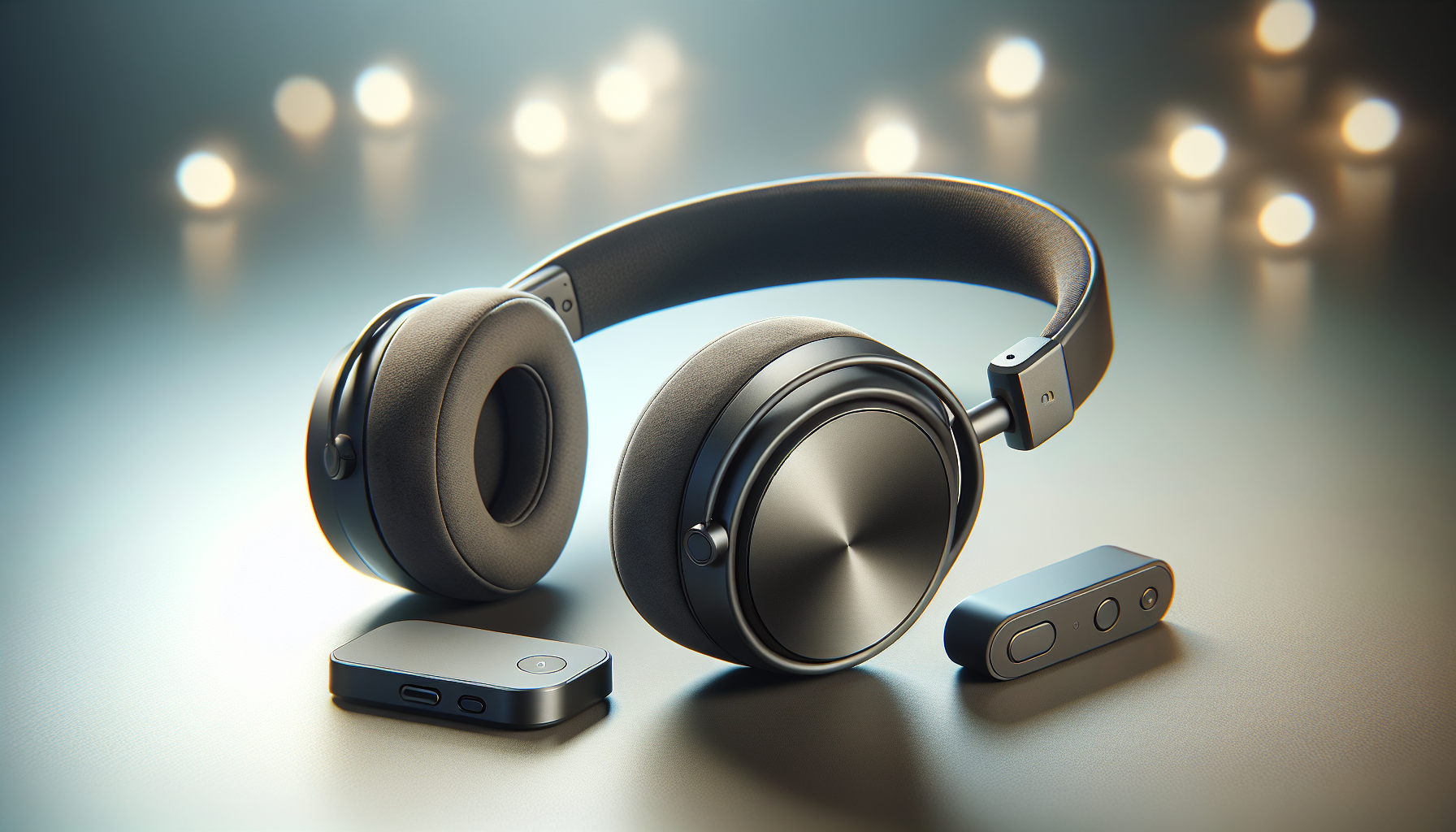
How Noise Cancellation Works (Simple Explanation)
Passive vs Active Noise Cancellation
Passive noise reduction comes from the physical design: earcup sealing, padding, and materials that block sound by creating a physical barrier. Over-ear designs with dense cushions and good seals will reduce high-frequency noise even without ANC. Active noise cancellation uses microphones to pick up ambient sound and electronics to create an inverted waveform that cancels those sounds. You’ll usually get the best baseline isolation by combining good passive isolation with active cancellation—budget models often emphasize one or the other depending on design trade-offs.
Feedforward vs Hybrid ANC
Feedforward ANC places microphones on the outside of the earcup to sense external sounds before they reach your ear. Feedback ANC uses internal microphones near the driver to monitor what actually reaches your ear. Hybrid ANC combines both external and internal mics, offering improved accuracy and broader frequency cancellation. On budget headphones, you’re more likely to see feedforward or simplified hybrid implementations. Feedforward can handle higher-frequency noises better, while hybrid tends to be more balanced but is often costlier to implement.
What Works Best in Budget Models
Many budget models focus on reducing low-frequency noise first, which is why headphones like the Edifier W820NB Plus Gen 2 perform best during commuting and travel rather than in chaotic environments.
In budget models, the most effective strategy is often a focus on low-frequency cancellation paired with good passive sealing. That combination targets the most intrusive noises—engine rumble, HVAC systems, and commuter roar—while avoiding complex multi-microphone DSP that ups costs. You should expect basic ANC to reduce steady-state noise effectively, but not to eliminate unpredictable, sharp sounds like sudden conversations or clattering. Pay attention to user feedback and reviews about real-world performance, because lab specifications rarely tell the whole story.
You can also see, our Soundcore Life Q30 review shows how tuning and comfort affect daily commuting.
Sound Quality Basics You Should Know
Drivers and tuning
For example, in our Edifier W820NB Plus Gen 2 review, we look at how a bass-forward tuning affects everyday listening compared to more neutral budget ANC headphones.
Drivers are the transducers that convert electrical signals into sound. Most budget ANC headphones use dynamic drivers because they’re inexpensive and perform well across a wide range. Driver size matters a bit: larger diaphragms can move more air and create deeper bass, but driver quality and tuning are just as important as size. Tuning refers to how manufacturers shape the frequency response—some emphasize bass for a modern music profile, others aim for a flatter, more neutral response. Your preference matters: prioritize accurate mids and controlled bass if you listen to vocals and acoustic music, or fuller low-end if you prefer EDM and hip-hop.
Wireless audio codecs (SBC, AAC, LDAC)
Wireless codecs affect how compressed audio is transmitted over Bluetooth. SBC is the universal baseline—reliable but not optimized for high-fidelity audio. AAC performs better on many phones and is commonly improves efficiency and slightly better quality on compatible devices. LDAC allows higher bitrate streaming and can offer better detail when both your source device and headphones support it, but implementation can vary, and sustained high-bitrate transmission may affect battery life. In budget headphones, you’ll often find SBC and AAC; LDAC is less common but increasingly available. Don’t expect codec support alone to guarantee better sound—driver quality and tuning still matter most.
What “Hi-Res audio” really means
“Hi-Res audio” typically refers to audio files with higher sample rates and bit depths than CD-quality (44.1 kHz/16-bit), such as 96 kHz/24-bit tracks. In practice, the audible difference depends on the recording quality, your playback chain, and your hearing. Wireless constraints mean true hi-res benefits are often lost over Bluetooth unless both devices support high-bitrate codecs and low-latency modes. For budget headphones, “hi-res” labels are more marketing than a promise of studio-level fidelity. Focus on clear, well-tuned sound and minimal distortion at the volumes you use most.
Battery Life Expectations
ANC on vs off
Active noise cancellation consumes additional power, so expect shorter runtimes with ANC engaged. A typical budget model might offer 20–30 hours with ANC off and 12–25 hours with ANC on, depending on battery capacity and efficiency. Some designs optimize power use; others trade battery life for stronger ANC. Think about how long your longest listening sessions are and whether you can recharge during the day. If you commute for an hour each way, a model offering a full day of ANC-enabled listening will feel sufficient.
Fast charging
Fast-charging features let you top up battery quickly to get through an outing. Many budget headphones offer a short burst—like 10–15 minutes for a few hours of listening. The practical benefit is significant if you frequently forget to charge overnight or have long travel days. Fast-charge tech is a convenience you don’t want to undervalue; it can turn a dead set of headphones into usable gear with just a brief pause between tasks.
Wired USB-C listening
USB-C wired listening can extend battery life by allowing you to listen while the internal battery is depleted, and it can bypass Bluetooth stability or codec limitations. Some budget models support USB-C audio with a direct digital connection, which can reduce latency and sometimes improve consistency. Others include a standard 3.5mm analog cable for passive listening with ANC off. Check whether wired listening requires battery power to operate ANC or if you can use passive mode while plugged in—this varies and can affect practical usability on long trips.
Comfort and Wearability
Clamping force
Clamping force is the pressure the headband exerts on the sides of your head. Too tight and you’ll get headaches after prolonged use; too loose and the headphones will feel unstable and leak sound. Many budget headphones are tuned toward a snug fit to improve passive isolation, but you should look for adjustable headbands, balanced spring tension, and flexible earcup rotation. If possible, try them on to assess pressure points, or read multiple user reviews—comfort is one of the most individual aspects of a headphone’s fit.
Weight
Weight matters for long listening sessions. Heavier materials can feel more durable but will tire your neck and head over hours. Lightweight plastics and hollowed designs can create a pleasant balance of durability and comfort. Don’t assume lighter always equals better; the weight distribution and cushioning quality play major roles in whether the headphones feel comfortable during a marathon commute or a multi-hour flight.
Ear padding
Earpad materials—memory foam, protein leather, or breathable fabric—affect comfort, seal, and heat buildup. Memory foam improves the seal and can improve bass response, while breathable fabrics reduce sweat and skin irritation during long sessions. Protein leather often feels premium and isolates well but can trap heat. If you plan long daily use, prioritize breathable padding and replaceable pads, because wear over time can degrade comfort and seal.
Heat buildup
Heat under the earcups is a common complaint, especially in warm climates or during extended use. Design choices like breathable padding, venting channels, and fabric earpads can minimize heat. Over-ear headphones usually trap more heat than on-ear or open-back designs. If you live somewhere hot or dislike sweat, look for models that explicitly mention cooling materials or fabric earpads, and check user comments for real-world heat reports.
How Long Budget Headphones Usually Last
Most budget ANC headphones are designed to deliver strong value for several years of regular use rather than a decade of ownership. Padding and headband materials typically show wear first, especially with daily commuting or travel.
Battery health can also decline after a few years, which may shorten listening time between charges. Choosing models with replaceable earpads, good warranty support, and consistent firmware updates can extend usable life significantly.
Treat budget headphones as practical tools: durable enough for heavy everyday use, but not luxury heirloom items.
App Support and Smart Features
EQ
An app-based equalizer lets you tune the sound to your preferences and compensate for personal hearing differences or the headphones’ tuning choices. A simple preset-based EQ is useful, but a customizable parametric EQ is better if you want precise control. On budget models expect basic tone adjustments and a few presets. A well-implemented EQ can dramatically improve perceived sound quality, so app support is valuable if you’re picky about tonal balance.
ANC modes
Multiple ANC modes—such as full ANC, ambient/transparent mode, and adaptive settings—help you balance isolation and awareness. Full ANC maximizes noise reduction, ambient mode lets external sound in for safety or conversation, and adaptive modes tweak the processing based on surrounding noise levels. On budget headphones, modes are usually limited but still helpful. Assess how the modes switch and whether you can adjust them quickly via a button or in-app shortcut.
Firmware updates
Firmware updates can improve performance over a product’s lifetime by refining ANC algorithms, fixing bugs, improving Bluetooth stability, and occasionally enhancing audio tuning. Choose headphones from manufacturers that provide timely and documented updates rather than devices that ship and are left untouched. The ability to update firmware via a desktop app or mobile app is more important than ever; it keeps your investment functional and safe.
Common Mistakes Buyers Make
Overvaluing specs
Specs like “30 dB noise reduction” or battery hours listed under ideal conditions can be misleading. Noise reduction is frequency-dependent and lab-derived numbers don’t always translate to real-world experiences. Battery life is also measured under controlled, low-drain conditions. Avoid making choices based solely on headline numbers; look for independent reviews and user experiences describing real-world ANC performance, battery life in daily use, and durability.
Ignoring comfort
Comfort is often underestimated until you’re wearing headphones for hours. You might be tempted to pick a model with impressive ANC and battery numbers, only to find the clamping force or weight makes extended use unpleasant. Take comfort seriously: check for adjustable headbands, soft and breathable earpads, and overall weight distribution. If you can try before you buy, do so; if not, prioritize models with consistent positive feedback about long-term wearability.
Paying for brand name only
Brand reputation matters for support and firmware cadence, but paying primarily for a logo can leave you with less performance per dollar. Emerging and lesser-known companies often deliver excellent performance by focusing on the core technologies and user needs instead of premium materials or brand positioning. Judge products on real-world performance, user feedback, and supported features rather than the brand label alone.
Common Mistakes First-Time Buyers Make
One of the biggest misunderstandings around budget active noise cancellation is expecting near-silence similar to premium models from Bose or Sony. In reality, inexpensive ANC is designed to reduce steady background noise, not eliminate it completely. Airplane rumble and air-conditioning hum will soften, but voices and sudden sounds will still come through.
Another frequent mistake is focusing too heavily on advertised battery numbers. Manufacturers usually measure under ideal conditions at moderate volume. In daily life, higher listening levels, multipoint connections, and frequent mode switching can shorten real-world endurance.
Comfort is also underestimated. Clamp force, ear cup depth, and heat build-up can matter more than small differences in technical specifications, especially if you plan to wear headphones for several hours each day.
Understanding these trade-offs helps prevent disappointment and leads to better long-term satisfaction.
What Budget ANC Typically Delivers in 2026
In today’s market, budget ANC headphones are remarkably capable for their price. Most models now provide strong low-frequency reduction, app support, USB-C charging, and multi-day battery life. Sound quality is generally tuned to please mainstream listeners, often with elevated bass and clear highs.
What you usually won’t get is premium materials, flawless multipoint behavior across every device, or ultra-natural transparency modes. Knowing this ahead of time lets you judge products fairly and avoid comparing them to models that cost three or four times more.
What Budget ANC Does Not Do
Even the best affordable noise-canceling headphones cannot completely silence your environment. Sudden sounds like conversations, crying babies, or dropped objects will still be audible because ANC is far more effective against consistent low-frequency noise than unpredictable peaks.
Transparency modes in this price range are also improving but rarely sound fully natural. Voices may seem slightly artificial or amplified, and wind noise can sometimes interfere with microphones.
Understanding these limitations prevents unrealistic expectations and helps you appreciate what budget ANC actually does very well.
Who Budget ANC May NOT Be For
If you demand near-perfect silence, studio-grade microphones, or luxury build materials, you may quickly outgrow the budget category. Similarly, travelers who rely on extremely accurate voice pass-through for constant announcements may prefer higher-end systems.
For everyone else — commuters, students, remote workers, and casual listeners — modern budget ANC often provides more than enough performance for everyday environments.
Quick Buyer Profile Match
If you commute daily and want quieter travel, prioritize strong low-frequency ANC and long battery life.
If you work from home, focus on comfort, microphone quality, and the ability to switch quickly to ambient sound.
If you’re a student, durability and wired listening options may matter more than advanced app features.
Matching the headphone to your primary environment will usually matter more than chasing the highest spec sheet numbers.
Final Buying Advice
Summarize key takeaways
When choosing budget noise-canceling headphones, focus on the combination of passive isolation and ANC performance rather than a single spec. Prioritize comfort and fit for long sessions, and consider battery life and fast-charging convenience relative to how you use the headphones. Codec support can enhance wireless listening, but driver quality and tuning have a larger impact on perceived sound. A mobile app with EQ and firmware support increases the lifespan and flexibility of your purchase. Real-world user reviews are more informative than marketing claims, so read multiple sources to understand everyday performance.
Encourage readers to compare multiple models
If you’re choosing between these two popular models, visit our Soundcore Life Q30 Vs Edifier W820NB Plus (Gen 2) comparison.
Don’t settle on the first attractive option. Compare several models side by side for comfort, ANC behavior, battery claims, and app functionality. If possible, test them in the environment you’ll use most—commute noise, office chatter, or airplane cabin sounds—to see which handles the dominant noise types better. Use trial periods and return policies to your advantage: real-life use is the best way to reveal strengths and weaknesses. Taking a methodical approach will help you find the best value and the best fit for your listening habits and lifestyle.
About the Author
Ren Ariola is a product reviewer and researcher focused on budget-friendly audio and practical technology. He tests everyday-use scenarios such as commuting, remote work, and long listening sessions to translate technical features into real-world buying advice.
His reviews emphasize comfort, durability, and long-term value rather than marketing claims.